
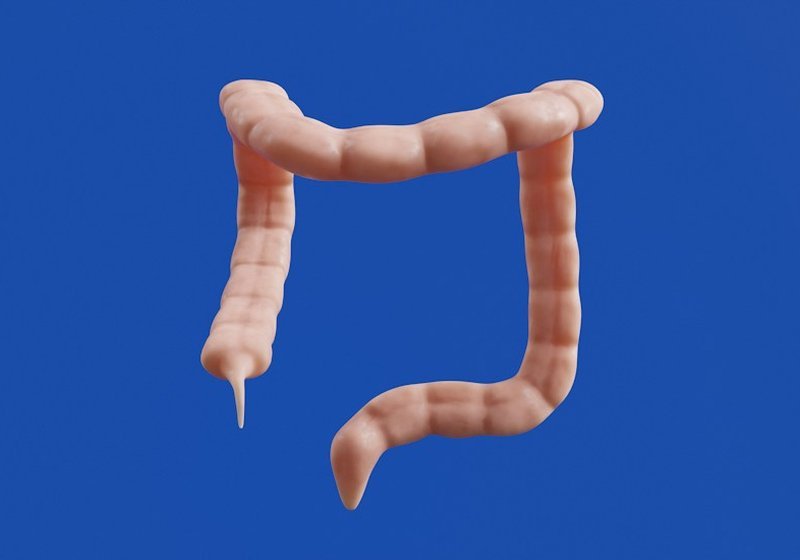
Being told you have colon cancer is frightening, and the first questions are usually about surgery. For most patients, removing the tumour is the main treatment and offers the best chance of cure. Today this operation is often done by laparoscopic (keyhole) surgery. This guide explains what the operation involves and what to expect before and after it.
Common symptoms of colon cancer
- Blood in the stool
- A change in bowel habit that lasts more than a few weeks
- Unexplained anaemia, tiredness or weight loss
- Abdominal pain, bloating or a lump in the abdomen
Early colon cancer may cause no symptoms at all, which is why colonoscopy is so valuable.
Tests before surgery
The diagnosis is confirmed by a colonoscopy with biopsy. Scans, usually a CT scan of the chest and abdomen, show how far the cancer has spread (the stage). Blood tests and a check of your heart and lungs make sure you are fit for an operation. The treatment plan is based on all of these results.
What the operation involves
The surgeon removes the part of the colon that contains the tumour, with a margin of healthy bowel on each side and the nearby lymph nodes. The two healthy ends are then joined together. The name of the operation depends on which part is removed, for example a right or left hemicolectomy.
In laparoscopic surgery this is done through several small cuts using a camera and long instruments. The removed bowel is taken out through one slightly larger cut. Read more about colorectal cancer surgery.
Benefits of the keyhole approach
- Smaller wounds and less pain afterwards
- Earlier return of bowel function, eating and walking
- A shorter hospital stay in most patients
- Fewer wound problems
Large studies have shown that, for suitable patients, cancer results after laparoscopic surgery are as good as after open surgery.
Is everyone suitable?
Not always. Very large tumours, tumours growing into nearby organs, bowel obstruction or perforation, or many earlier operations may make open surgery the safer choice. Sometimes a keyhole operation is changed to an open one during surgery for safety.
Will I need a stoma?
Most patients having planned colon cancer surgery do not need one. A stoma (an opening of the bowel on the abdomen, with a bag) is sometimes needed in emergencies or to protect a join low in the bowel, and it is often temporary. Your surgeon will tell you beforehand if this is likely.
Recovery in hospital and at home
- You will be encouraged to sit up and walk early; this lowers the risk of clots and chest infection
- Drinks and food are started step by step as the bowel recovers
- Most patients go home within about a week, depending on progress
- Tiredness is normal for some weeks; increase activity gradually and avoid heavy lifting until advised
Possible risks
Risks include bleeding, infection, a leak from the bowel join, blood clots and the risks of anaesthesia. Your surgical team watches closely for these and will explain them before you consent.
After surgery: the pathology report and follow-up
The removed bowel and lymph nodes are examined in the laboratory. This report gives the final stage of the cancer and guides whether further treatment such as chemotherapy is advised. Regular follow-up visits, blood tests, scans and colonoscopy are part of long-term care.
Frequently asked questions
Can colon cancer be cured?
Yes, many patients are cured, especially when the cancer is found early and removed completely.
How long does the operation take?
Usually a few hours, depending on the position of the tumour and your anatomy.
Is rectal cancer treated the same way?
The principles are similar, but rectal cancer often needs additional planning, and sometimes radiotherapy or chemotherapy before surgery.
To discuss your reports with Dr. Fayem Chowdhury Sony, request an appointment. Please bring your colonoscopy, biopsy and scan reports.
This article is for general awareness and does not replace a consultation with a doctor.