
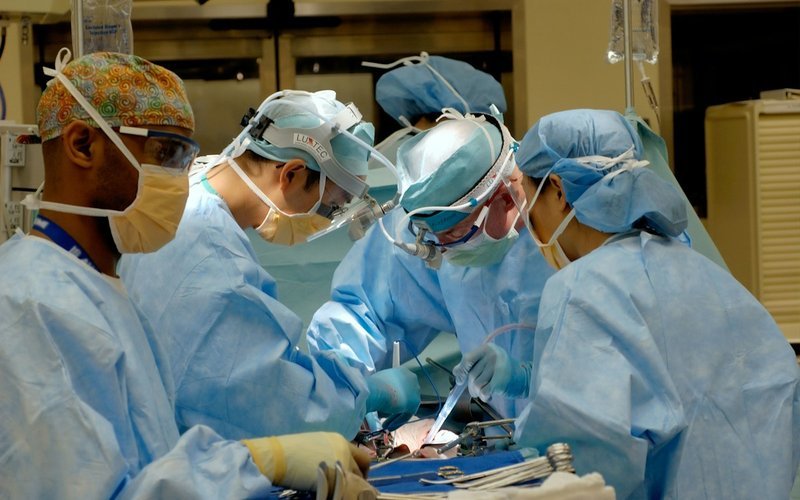
Laparoscopic surgery, also called keyhole or minimally invasive surgery, lets a surgeon operate inside the abdomen through a few small cuts instead of one long one. It is now a standard way of performing many abdominal operations. This article explains how it works, what its benefits and limits are, and what to expect before and after your operation.
How laparoscopic surgery works
The operation is done under general anaesthesia. The surgeon makes a few cuts, each usually about 5 to 12 mm long. The abdomen is gently filled with carbon dioxide gas to create working space. A thin telescope with a camera (the laparoscope) shows a magnified view on a screen, and fine instruments are passed through the other cuts to perform the operation.
Which operations can be done this way?
- Hernia repair (inguinal and ventral hernias)
- Gallbladder and appendix removal
- Surgery for colon and rectal cancer
- Rectal prolapse repair
- Diagnostic laparoscopy to look for the cause of a problem
Benefits compared with open surgery
- Smaller wounds and smaller scars
- Less pain after the operation
- A shorter stay in hospital in most cases
- A quicker return to work and normal activity
- A lower risk of wound infection and wound hernia
Is it suitable for everyone?
No. The choice depends on your condition, earlier abdominal operations, and the health of your heart and lungs. Sometimes the surgeon begins with the laparoscope and changes to an open operation because that is the safer way to finish. This is a decision made for your safety, not a complication.
How to prepare
- Have the blood tests, ECG, X-ray or scans that are requested before surgery
- Tell your surgeon about all your medicines, especially blood thinners and diabetes medicines
- Follow the fasting instructions exactly
- Stop smoking as early as you can; it improves healing
- Arrange for someone to stay with you and take you home
Recovery: what to expect
Most patients sit up and walk on the same day or the day after. Some feel shoulder-tip pain or bloating for a day or two; this comes from the gas and settles on its own. You will be told how to look after the wounds, when to bathe, and when to return to work, driving and heavy lifting. Recovery time depends on the operation and on your general health.
Possible risks
All operations carry some risk, including bleeding, infection, injury to nearby organs, blood clots and the risks of anaesthesia. Serious problems are uncommon. Your surgeon will discuss the risks that apply to your operation before you give consent.
When to contact your doctor after surgery
Call the chamber or go to hospital if you have fever, increasing pain, redness or discharge from a wound, repeated vomiting, a swollen abdomen or difficulty breathing.
Frequently asked questions
How long will I stay in hospital?
It depends on the operation. Some patients go home within a day; larger operations such as bowel surgery need a longer stay.
Will there be scars?
Yes, but they are small and usually fade with time.
Is keyhole surgery as effective as open surgery?
For the operations where it is suitable, the same operation is performed inside the body; only the way of reaching it differs.
To discuss whether keyhole surgery is suitable for you, request an appointment with Dr. Fayem Chowdhury Sony.
This article is for general awareness and does not replace a consultation with a doctor.